Thinking about transforming your garden space? A licensed landscape professional can turn your vision into reality with expertise in irrigation system design. Whether you're dreaming of a lush xeriscaping project or need a strategic landscape master plan solution, the right expert makes all the difference.
- Consult a licensed landscape professional for affordable landscape design
- From landscape lighting to landscape permit needs, pros handle it all
With skills in grading and drainage, these experts blend beauty and function—making your property more valuable. Ready to explore what a certified landscape architect can do for you?
Understanding Landscape Architect Responsibilities
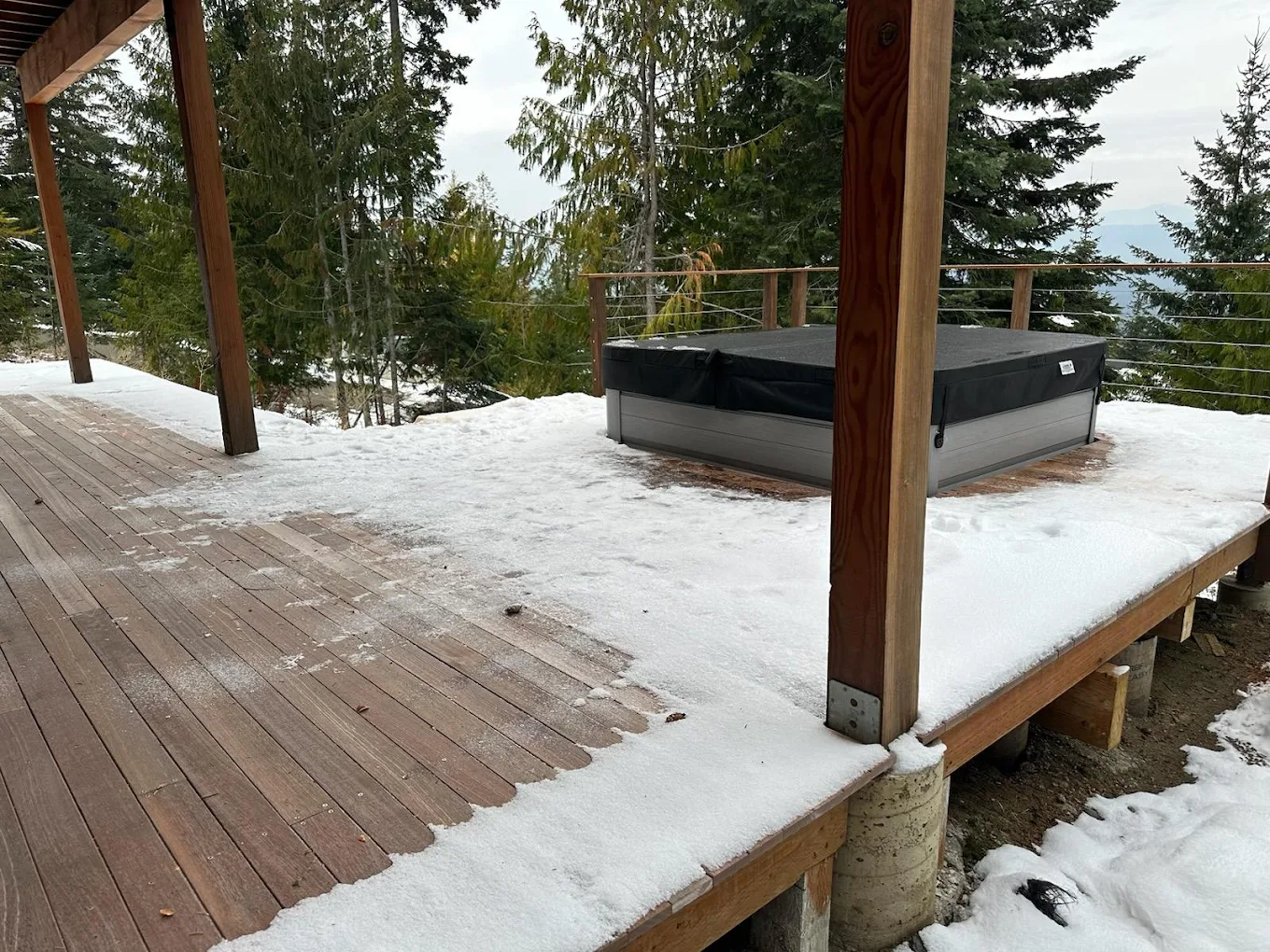
Design Outdoor Living Spaces
A experienced designer specializes in crafting functional outdoor living areas tailored to your lifestyle. They blend natural features to create cohesive transitions between your home and yard. Whether you envision a cozy fire pit nook or a full-scale entertainment zone, these pros turn visions into practical designs.
- Add seating zones with durable materials
- Merge native plants for eco-friendly appeal
- Design pathways using stone
- Optimize space with multi-functional layouts
Develop Eco-Conscious Designs
Green infrastructure isn’t just trendy—it’s essential. A garden expert uses native plants and smart water strategies to reduce environmental impact. They design with long-term health in mind, ensuring your garden thrives with minimal input.
- Implement rainwater harvesting or greywater solutions
- Opt for permeable surfaces to reduce runoff and improve drainage
- Include green roofs or bioswales where feasible
- Develop a landscape master plan for phased, sustainable growth

Work Alongside Construction Teams
Your landscape architecture firm doesn’t work in isolation—they’re a vital part of the build process. They partner with contractors, engineers, and city planners to ensure every detail is executed accurately. This coordinated approach prevents costly mistakes and keeps your project moving.
From foundation layout to final touches, your architect manages construction with precision. They help obtain necessary zoning approvals, making the entire build smoother and more efficient for everyone involved.
Generate Technical Landscape Drawings
Behind every stunning yard is a stack of detailed technical documents. A certified landscape architect creates blueprints that include irrigation system design—everything needed for proper installation. These plans guide contractors and help avoid misunderstandings during landscape construction.
- Specify plant types, spacing, and maintenance needs
- Show utility lines, drainage paths, and lighting circuits
- Follow local regulations and accessibility standards
- Provide scaled drawings for permit applications and bids
Choosing the Right Outdoor Design Expert
Look for Industry-Recognized Qualifications
Not all designers are created equal—only a licensed landscape professional has passed rigorous exams and met education requirements. Look for credentials like LARE (Landscape Architect Registration Examination) or membership in professional organizations More about the author such as ASLA. These marks confirm they’re trained in sustainable practices.
A true professional will readily share their licenses. Don’t hesitate to ask—this step protects you from hiring someone unqualified to handle complex projects like landscape permit acquisition.
Examine Completed Landscape Designs
Seeing is believing. A strong portfolio reveals a designer’s style, range, and attention to detail. Look for examples similar to your vision—whether it’s drought-tolerant yards. A diverse yet focused portfolio shows adaptability without sacrificing expertise.
- Review quality of hardscaping, plant selection, and layout flow
- Identify before-and-after transformations
- Verify consistency in design and execution across projects
- Focus on integration with architecture and surroundings
Analyze Pricing Proposals
Costs vary widely, so getting competitive bids helps you find budget-friendly options. But don’t just pick the cheapest—evaluate what each quote includes. Does it cover construction oversight? Hidden gaps can lead to unexpected expenses down the road.
A transparent proposal breaks down fees by phase—concept, design, documentation, and administration. This clarity lets you assess services apples-to-apples and choose a team that offers both quality and value.
Ensure Compliance With State or City Rules
Every state or municipality has different rules for who can legally call themselves a landscape architect. Only a licensed individual can stamp official plans or pull certain permits. Hiring someone unlicensed may void insurance or delay approvals, especially for projects involving irrigation system design.
Always confirm your design firm is in good standing with the state board. This small step prevents big headaches and ensures your project meets all legal and safety standards from day one.
Common Offerings From Outdoor Design Experts
Personalized Outdoor Living Plans
Transform your yard into a functional retreat with expert residential landscaping. A outdoor space planner tailors every element—from patios to planters—to match your home’s architecture and your family’s needs. Whether you want a kid-friendly lawn or a low-maintenance oasis, they craft personalized garden design solutions.
- Incorporate shaded seating, fire features, or outdoor kitchens
- Select native plants for resilience and ecological benefit
- Develop year-round interest with seasonal plant rotation
- Enhance small or awkward spaces with smart design
Urban Property Enhancement
First impressions matter—especially for offices, retail spaces, or multi-family housing. A licensed professional designs high-impact commercial landscaping that boosts curb appeal, supports branding, and meets public use demands. These plans often include low-maintenance greenery.
From rooftop terraces, every feature is planned for function and longevity. Sustainable elements like drought-resistant landscaping also help meet municipal green infrastructure goals.
Manage Stormwater Effectively
Poor grading leads to puddles, erosion, and foundation issues. A experienced designer analyzes your terrain and designs sustainable grading and drainage systems. They redirect water safely using swales, dry wells, or French drains—protecting both your property and neighboring areas.
- Improve negative slopes near foundations
- Build catch basins or underground drainage pipes
- Use bioswales for natural filtration
- Design solutions that double as landscape features
Smart Systems for Gardens
A well-lit yard is safer, more secure, and stunning after dark. A certified planner designs lighting that highlights architecture, paths, and specimen plants. Meanwhile, a smart irrigation system design ensures your garden gets the right water at the right time—reducing waste and promoting plant health.
- Program timers, sensors, or Wi-Fi-enabled controllers
- Divide watering areas by plant type and sun exposure
- Feature LED path lights, uplighting, or moonlighting
- Integrate systems into a central outdoor living control hub
What Influences Design and Build Costs
Pricing Based on Yard Scale
You’ll typically pay more for larger or more complex jobs. A small backyard refresh might run under $10,000, while a full landscape master plan with construction can exceed $50,000. The professional factors in site challenges, materials, and labor when quoting—so no two projects cost the same.
Even modest budgets can yield great results with phased planning. Talk to your consultant about prioritizing high-impact zones first, like the front entry or primary outdoor living area, then expanding over time.
Hourly vs. Flat Rate Pricing
Some firms charge hourly—ranging from $100–$250+—while others offer flat fees per phase. Hourly works well for consults or minor revisions; flat rates give predictability for full designs. Ask how revisions, meetings, and site visits are billed to avoid surprises.
- Select hourly for small-scale advice or emergency landscape repair
- Seek flat fees for complete garden design or master plans
- Understand what’s included in the base price
- Negotiate capped hours if going hourly
Affordable Landscape Solutions
You don’t need a huge budget to get great design. Many professionals offer scaled-down versions of full services, like concept sketches or DIY plans. Using xeriscaping reduces long-term costs, while phased implementation spreads out expenses.
Ask about cost-saving alternatives that maintain aesthetics without overspending. Sometimes a simple layout change or material substitution can cut costs by 20% or more—without sacrificing quality.
What Your Quote Might Not Include
Even a detailed bid can miss hidden factors. Excavation surprises, utility relocation, or unexpected permit fees can add thousands. Poor soil may require amendment, and complex grading or retaining walls often cost more than anticipated. A certified landscape architect will flag risks early—but it’s wise to set aside 10–15% for contingencies.
- Include soil testing or remediation if needed
- Anticipate extra charges for landscape permit delays
- Remember that plant maturity affects pricing over time
- Ask if landscape maintenance setup is included
Landscape Professional vs Garden Expert: Clarifying the Key Contrasts
Education and Licensing Requirements
Becoming a accredited outdoor designer requires a professional degree in site design, followed by passing the professional assessment. On the other hand, many garden planners pursue careers in the field through certificates, without the same government-regulated licensing. Only certified landscape architects can officially approve documents like grading and drainage plans or construction approvals in most states.
- Confirm that your design professional holds valid professional certification
- Request about their educational background and professional affiliations
Range of Work Breakdown
Though each landscape architect and garden stylist can develop beautiful yard environments, their roles differ significantly. A certified landscape architect typically handles large-scale projects involving stormwater management, smart watering, and public green infrastructure. Conversely, landscape designers often focus on plant-based elements like flower bed layout and simple garden upgrades.
Best Time To Hire Each Professional
For a backyard transformation with minimal grading, a talented landscape designer may suffice. However, if your project includes major earthwork, such as permeable paving, you'll require a licensed landscape professional. Multi-unit housing projects almost always require the oversight of a landscape architecture firm due to municipal approvals.
Regulatory Requirements by Jurisdiction
Regulations governing who can legally operate as a outdoor architect change by region. In several states, only a certified landscape architect can stamp plans for landscape permits. Some states permit unlicensed individuals to carry out limited garden design, but must avoid engaging in site engineering. Be sure to verify your local landscape architect rules before signing anyone.
- Ensure that your designer is permitted to perform the exact work required
- Ask for proof of professional certification before signing
Design Development and Workflow: What To Expect
Initial Meeting and Property Evaluation
An introductory meeting with a outdoor space designer usually includes a thorough property walkthrough. They’ll examine factors like light cycles, earth texture, existing vegetation, and water pooling. This critical step informs every phase of your outdoor development, ensuring your commercial project is both usable and visually cohesive.
- Clarify your goals for the outdoor living area
- Provide any Pinterest boards that reflect your style
Concept Development and Edits
Following the site assessment, your outdoor expert will generate a preliminary design for your garden design. This may include 3D renderings showing proposed hardscaping, plant zones, and outdoor illumination. Be open to at least one or two rounds of tweaks to customize the plan. This collaborative process ensures your affordable landscape design reflects your lifestyle.
Approval and Clearances
Managing the municipal requirements is where a certified landscape architect truly shines. They can submit documentation for slope modification, drought-resistant landscaping, and landscape permits. Without proper approvals, you risk work stoppages. A qualified design professional knows how to expedite these steps and avoid common bureaucratic hurdles.
Build Management and Coordination
Once design and permits are locked in, the landscape construction begins. A licensed professional can manage contractors, verify quality control, and fix issues like material shortages. This level of oversight reduces the risk of cost overruns, especially on complex projects involving retaining walls. For storm damage, having a professional contact makes recovery faster.
Green and Efficient Planning: Building a Greener Yard
Drought-Tolerant Yard Design
With rising water costs and unpredictable weather, drought-resistant landscaping is genuinely popular. A licensed landscape professional can help you create a lush yard that uses reduced water through smart moisture sensors. Techniques like hydrozoning and moisture retention dramatically reduce consumption while maintaining garden beauty. This is especially vital in dry climates or urban landscape design areas.
- Choose xeriscaping techniques for long-term savings
- Use smart controllers that respond irrigation based on rainfall
Local Vegetation Use
Incorporating native plants is a foundation of ecological design. These plants are inherently adapted to your climate zone, requiring reduced water, fertilizer, and chemical treatments. They also nurture birds and bees, enhancing your yard’s biodiversity. A knowledgeable landscape architect will identify the best regional perennials for your outdoor space.
Stormwater Harvesting Systems
Stormwater capture systems turn rainfall into a valuable resource for your garden design. A licensed professional can integrate cisterns with your irrigation system design. These systems not only reduce demand on municipal supplies but also help manage flooding, especially in graded sites. When combined with permeable paving, they form part of a larger eco-network.
Sustainable Hardscape Components
Standard pavers and concrete can damage natural water flow and worsen heat in urban landscape design. An experienced design professional will recommend eco-friendly alternatives like permeable paving that allow water to seep into the ground. Materials made from recycled glass reduce environmental impact and add unique flair. These choices support green infrastructure while enhancing the aesthetic of your walkways.
- Install eco-pavers to prevent pooling
- Select sustainably harvested materials for outdoor kitchens
Common Questions Related to Landscape Architect FAQ
How Do a Landscape Architect and a Landscape Designer Compare?
A certified landscape architect typically holds a formal degree in landscape architecture, is certified by the state, and can handle complex projects involving stormwater management. They’re often involved in urban landscape design and can prepare construction documents.
In contrast, a garden design specialist may focus more on residential landscaping without the legal authority to sign off on public or structural plans. While both can create stunning outdoor space design, only a regulated design authority can legally stamp technical drawings in most regions.
How Do I Know It’s Time to Call a Landscape Architect?
You should bring in a landscape architect when your project involves large-scale hardscaping, or requires a landscape master plan. Simple lawn care or planting beds? A skilled landscaper might suffice. But for outdoor living areas, you’ll benefit from professional oversight.
Post-flood grading also demands the expertise of a design expert, especially if municipal approvals are needed. A landscape architecture firm can integrate long-term maintenance plans into a cohesive vision that goes far beyond mowing and mulching.
What’s the Typical Pricing for Landscape Architecture Services?
Working with a landscape architect can range from 3% to 10% of the total project cost, depending on scope, location, and experience level. For a full site planning package, fees may be higher, but you gain access to irrigation system design.
Many clients find budget-friendly planning by working with a small landscape architecture studio that offers tiered services. Some even provide emergency landscape repair to fit tighter budgets without sacrificing quality or sustainability.
How Do I Achieve an Eco-Conscious Yard With Professional Help?
Absolutely—many licensed design experts specialize in sustainable landscaping to reduce water use, support local ecosystems, and improve long-term resilience. They can design green infrastructure that manage stormwater naturally and reduce runoff.
From outdoor space design, a licensed professional can incorporate organic softscaping to enhance beauty while minimizing environmental impact. Whether you’re aiming for a carbon-sequestering landscape, expert guidance ensures your vision is both stunning and sustainable.
What Happens in a Landscape Architect Consultation?
Your introductory meeting with a licensed landscape professional typically includes a site visit, discussion of goals, and a review of your property’s existing vegetation. Be ready to share inspiration photos, budget expectations, and any specific needs like accessible pathways.
The architect may present preliminary ideas for irrigation system design, and outline next steps such as a permit applications. Bringing questions about native plants helps ensure you leave with clarity, confidence, and a clear path toward transforming your commercial property.